

Mountain Gazette
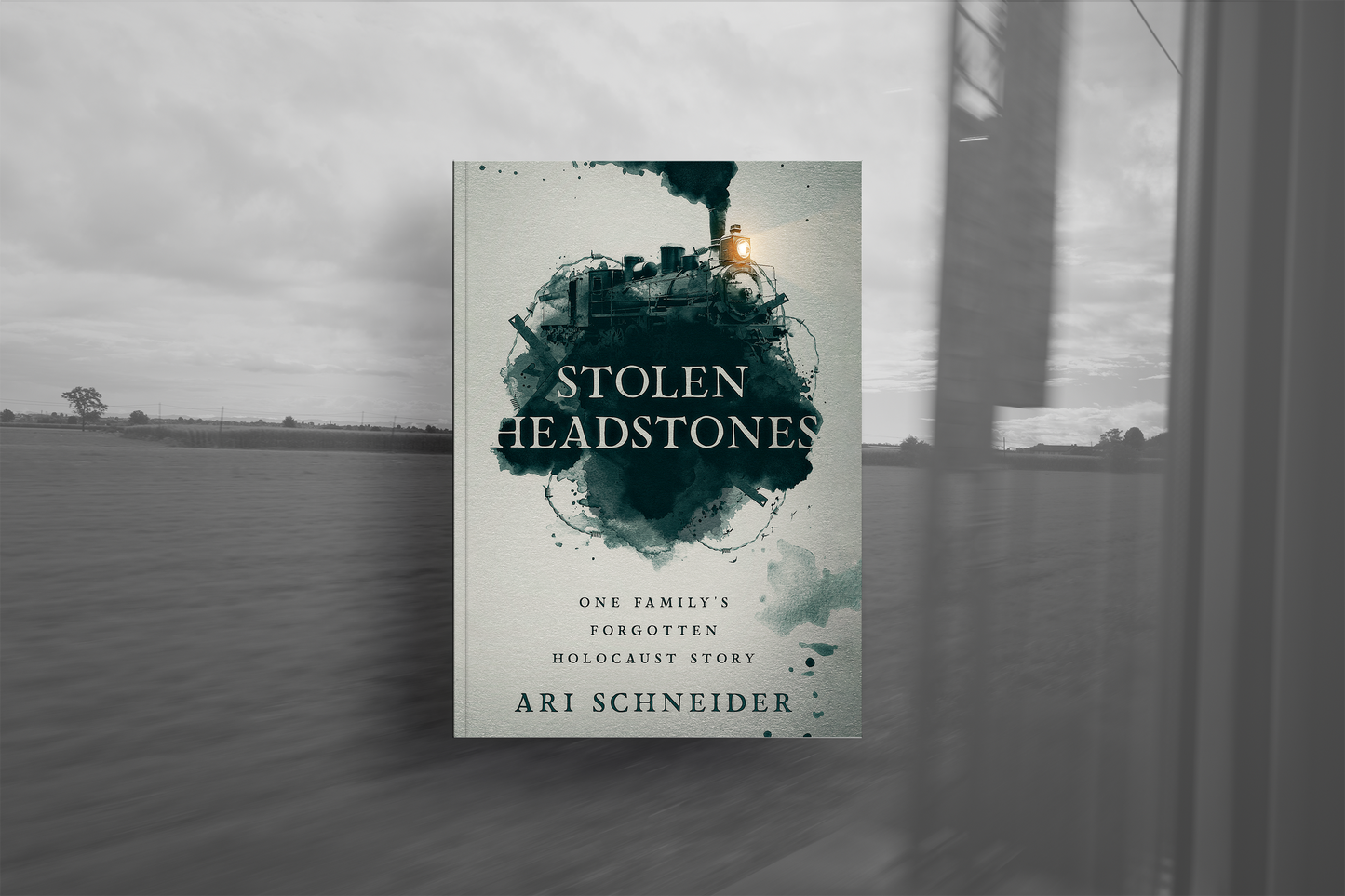
Stolen Headstones by Ari Schneider - Pre-Order
Pre-order now. Limited first printing of 2,000 copies. Ships Holiday 2026.
Couldn't load pickup availability
Pre-order bundles
Merch ships right away — the book follows Holiday 2026
Stolen Headstones by Ari Schneider
More of you wrote to us about this story than any we've published. So we made it a book.
In sixty years of publishing, we have never run anything like it. Mountain Gazette has printed Hunter S. Thompson and Edward Abbey. “Tombstones of Narol” — Ari Schneider's account of tracing his family through the Holocaust across five countries — is, in our estimation, the most ambitious piece of journalism this magazine has ever put in print. It made Schneider a finalist for the 2026 Livingston Award.
Schneider's grandfather was a hidden child in Fossano, Italy — a Jewish boy passed off as a Catholic student under the protection of a bishop. He survived. He also spent sixty years telling a story that couldn't be verified, and refused to try. After his death in 2024, Schneider set out to write the true version: thousands of pages of archival records, hundreds of hours of survivor testimony, and a journey across Belgium, France, Switzerland, Italy, and Poland — through a Europe drifting hard to the right as he went.
What he found is a love story. It's a story of ordinary people who risked execution for strangers. And it's the story of a mother who jumped from a moving train with a child under each arm.
•Limited first printing of 2,000 copies
•130+ page softcover standalone edition
•Expanded from Mountain Gazette 203
•By 2026 Livingston Award finalist Ari Schneider
•Printed in the U.S.
Eighty years after liberation, told accurately at last.
Share
-
Read the opening
Chapter One — A Wooden Box
When I was five years old, my father told me his parents were getting a divorce. My grandfather, Louis, had been cheating for a long time. He left my grandmother and moved from New York to Florida with a lover he would marry.
Louis became estranged from his children and grandchildren. He wouldn’t call on my birthdays, wouldn’t respond to my emails, wouldn’t keep the family photos my mother mailed him. This was especially hard for my father. Family was everything to him, and Louis was one of the last living witnesses to a story that my father wanted his children to know. Louis had been a hidden child during the Holocaust, a Jewish boy pretending to be a Catholic student under the care of the bishop of Fossano, Italy. Louis, his sister, and his parents were separated. They all survived.
In Florida, Louis went on a speaking tour, telling his story in schools and on film. But he never outgrew the habits formed when he was forced into a double existence in the most formative years of his life. He had needed to lie in order to live. Then the war passed, and the lying never stopped. Louis described being on a train to a concentration camp when the car he was in was hit by a bomb, and he was spared without a scratch. But I could never find any record of the transport. He claimed he joined the partisans at age 10, ate rodents while patrolling the Alps, and once shot a Nazi in the head. But it’s hard to imagine his rescuers letting him leave his hiding places during the war. The general outline of the story contained truths, like the towns where he went into hiding, some of the names of the people who saved his life, and the fact that he and his family experienced great terror under the Nazi regime. I knew those things from what little my great-grandparents had shared with my father when he was a kid. Yet it was clear Louis’s narrative had been adulterated by heroic fantasies, the details of which changed noticeably from one telling to the next.
I share all this with empathy for the effects of childhood trauma, effects Louis spoke openly about.
From Stolen Headstones by Ari Schneider. Continues on page 1.
Praise
-
“Ari Schneider hunts down the truth with the tenacity of a journalist and the urgency of someone whose own family history was nearly lost—to war, to mythmaking, and to a grandfather who survived the Holocaust but chose embellishment over fact. Stolen Headstones is both an investigation and an inheritance, a deeply reported account of survival, memory, and the fictions we tell to endure. A remarkable debut."
—Laurie Gwen Shapiro, bestselling author of The Stowaway and The Aviator and the Showman -
“Ari is one of the brightest young journalists working today. Stolen Headstones is his most impressive work yet—a thrilling exploration of WWII, one family’s legacy, and the traces we all leave behind.”
—Daniel Lombroso, director of White Noise and Nina & Irena -
“Schneider’s research is impeccable—this is a remarkable example of relentless journalistic investigation... An enthralling study of generational trauma created by the Holocaust.” —Kirkus Reviews
-
“The official account of his family’s Holocaust story... Ari fact checked every detail he could, cross-checking his great-grandmother’s memoir with thousands of pages of documents and hundreds of hours of testimonies from other survivors.”
—The Forward -
“I’ve never wept so much... Schneider’s writing is honest, potent, and so skillful.”
—Alexander Shalom Joseph, award-winning author of The Last of the Light and The Clearing -
“10 out of 10... History in a vivid, engaging way.” —The BookLife Prize
-
“Admirable... What a journey [Ari] went on.” —Intermountain Jewish News
-
“Heartfelt and informative.”
—Readers’ Favorite 5-star review
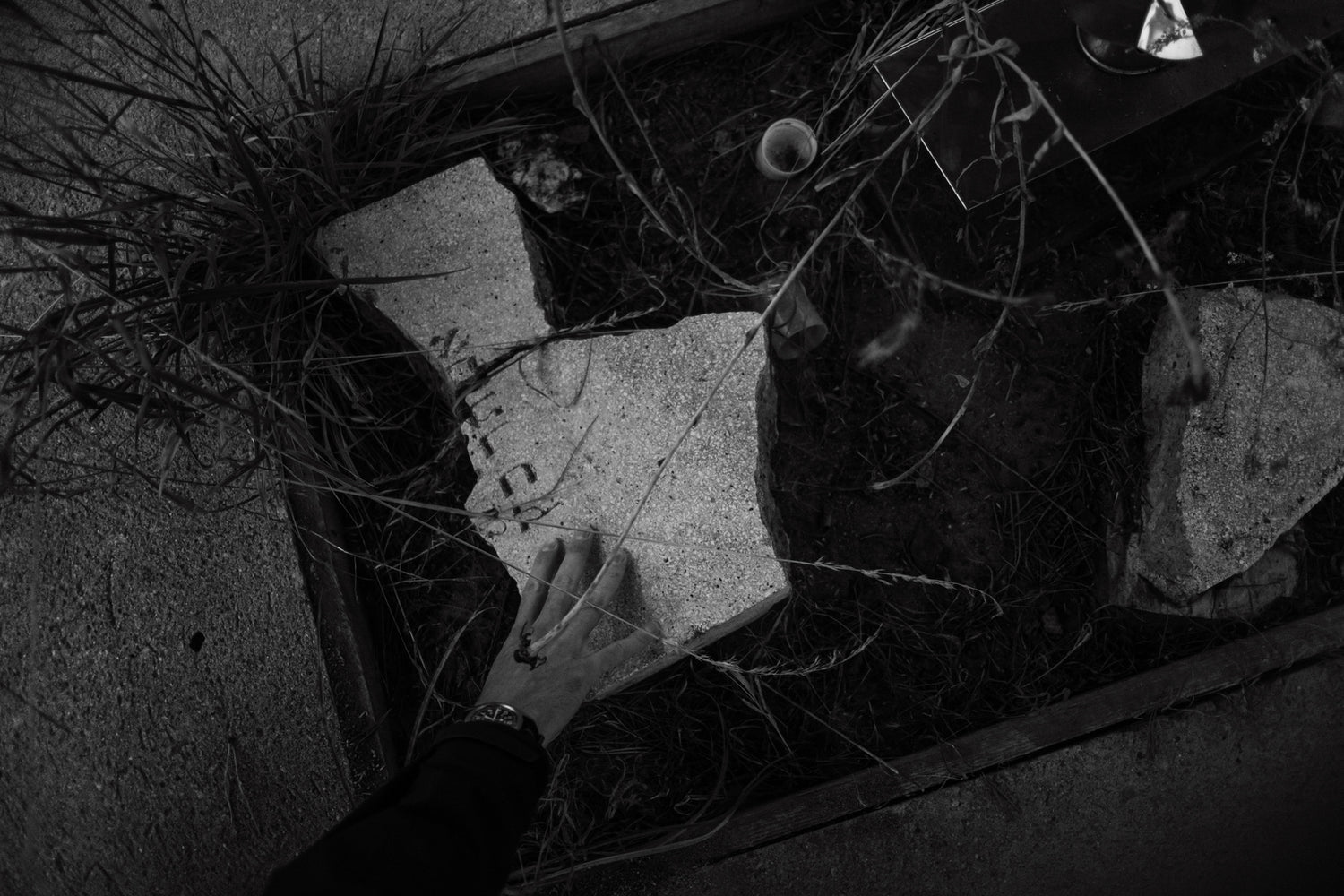
Limited First Printing
This first printing of the tale expanded from Mountain Gazette 203 is limited to 2,000 copies.
Ships Holiday 2026
All pre-orders of the limited first printing begin shipping holiday 2026.
